Take to the Field(s)


Winter 2024
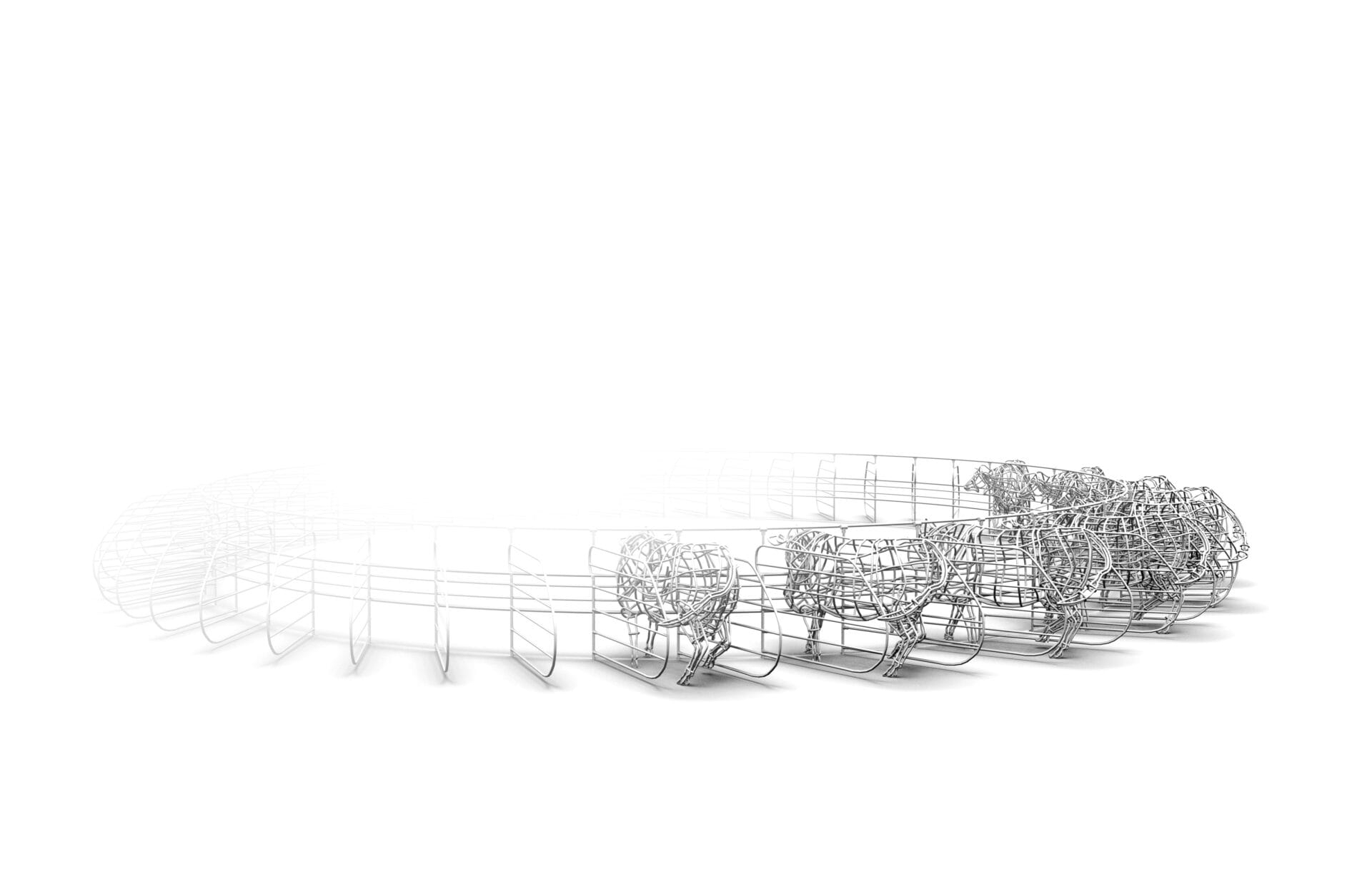
Breaking sedimented divisions between rural and urban, this issue centres agricultural imaginaries and human-soil relations that challenge us to rethink our understanding of agriculture, its relation to histories of colonization, and the futures of agroecology, as well as our connection to land itself.
Cover: Mériol Lehmann
Les foins
Photo: Marine Fleury, courtesy of the artist

Spring Summer 2026
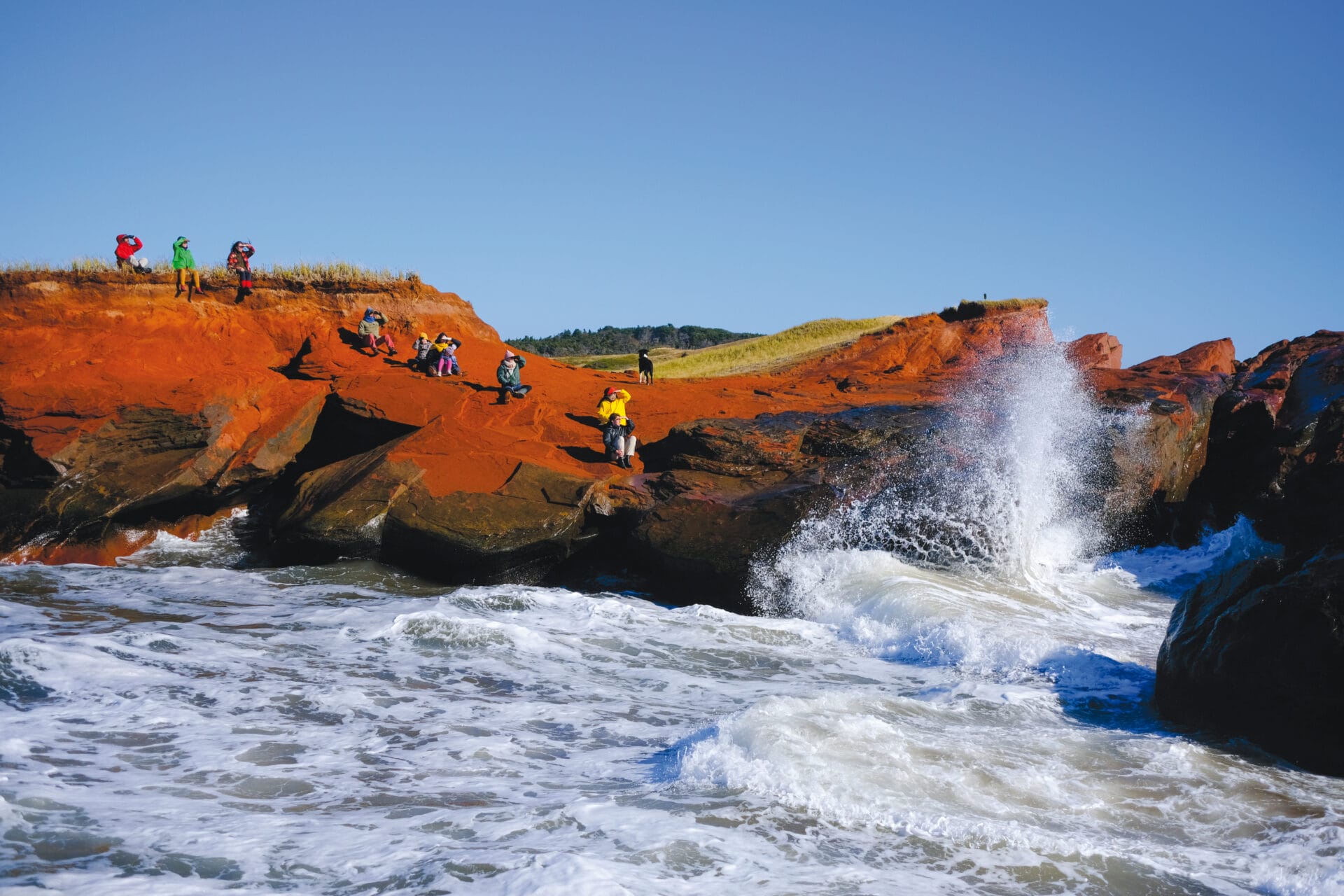
While “handi” (short for the term “handicapé” in French) and “crip” (derived from “cripple,” meaning “disabled”) are diminutive forms of stigmatizing terms, the meaning we ascribe to them is by no means reductive. On the contrary, they carry a political weight that provides those who embrace them with a powerful tool for empowerment, offering disabled artists non-normative ways for articulating the strange temporalities of disabled experience and alternative ways for navigating an ableist art world. In this issue, we are interested precisely in this work of social, political, and cultural transformation, and we focus on the ways in which crip authors and artists address the different challenges they face.
Cover: Hac Vinent
Accident, exhibition view, Fundació Joan Miró, Barcelona, 2024.
Photo: Roberto Ruiz, courtesy of the artist & ADN Galeria, Barcelona