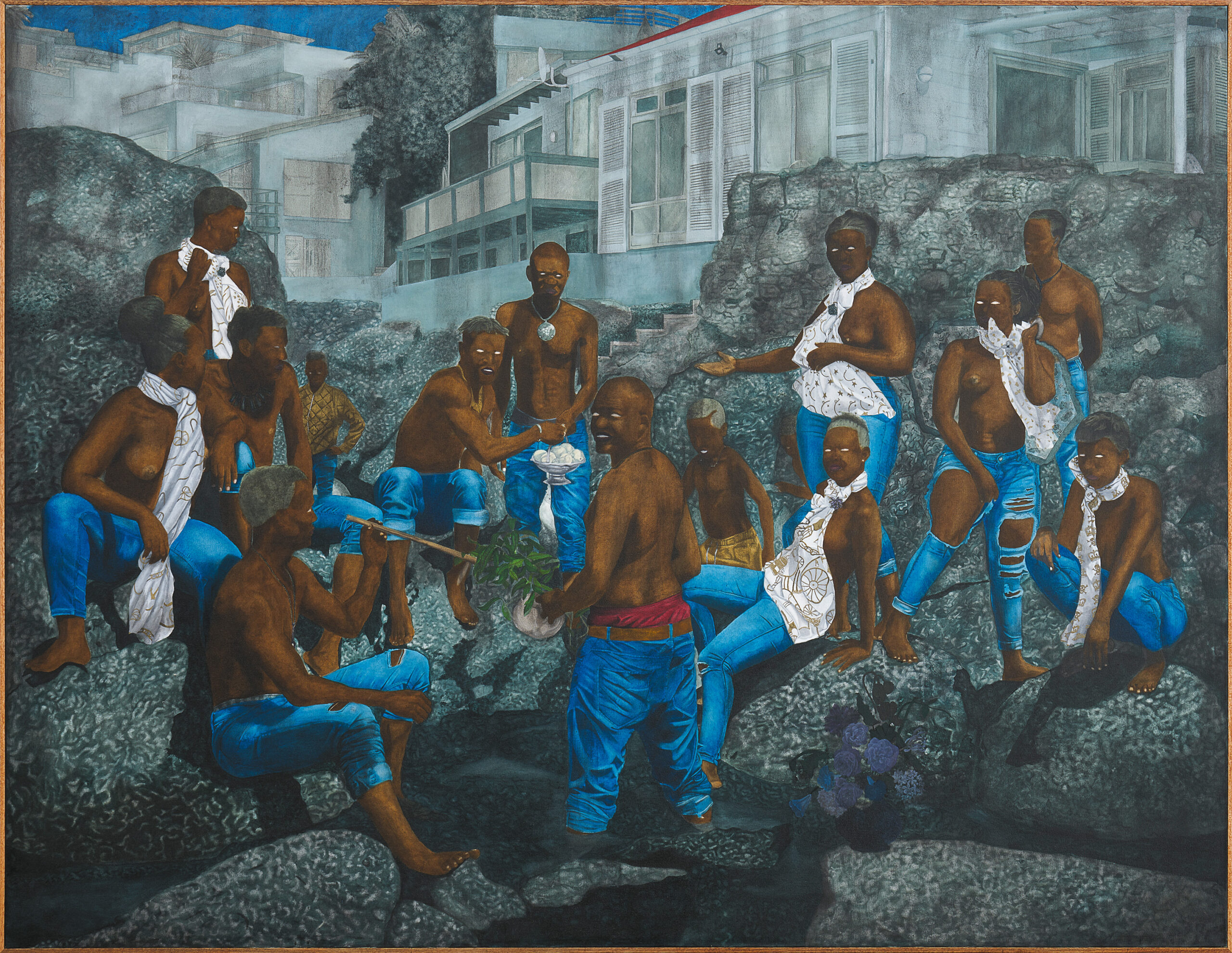
Painting Criticism or Painting as Criticism


Spring Summer 2021
This features dedicated to painting is part of an attempt to encourage critical analyses of painting practices. While presenting a selection of articles that attest to the diversity of aesthetic and conceptual approaches to this art form, (Re)seeing Painting puts forward some considerations of the different strategies deployed in art practices or dissemination networks. Though pictorial research may remain central to painters, some of them use their works as formidable tools of empowerment or protest, as a means to critically examine society.


Spring Summer 2026
While “handi” (short for the term “handicapé” in French) and “crip” (derived from “cripple,” meaning “disabled”) are diminutive forms of stigmatizing terms, the meaning we ascribe to them is by no means reductive. On the contrary, they carry a political weight that provides those who embrace them with a powerful tool for empowerment, offering disabled artists non-normative ways for articulating the strange temporalities of disabled experience and alternative ways for navigating an ableist art world. In this issue, we are interested precisely in this work of social, political, and cultural transformation, and we focus on the ways in which crip authors and artists address the different challenges they face.
Cover: Hac Vinent
Accident, exhibition view, Fundació Joan Miró, Barcelona, 2024.
Photo: Roberto Ruiz, courtesy of the artist & ADN Galeria, Barcelona