Rot in Peace

Fall 2025
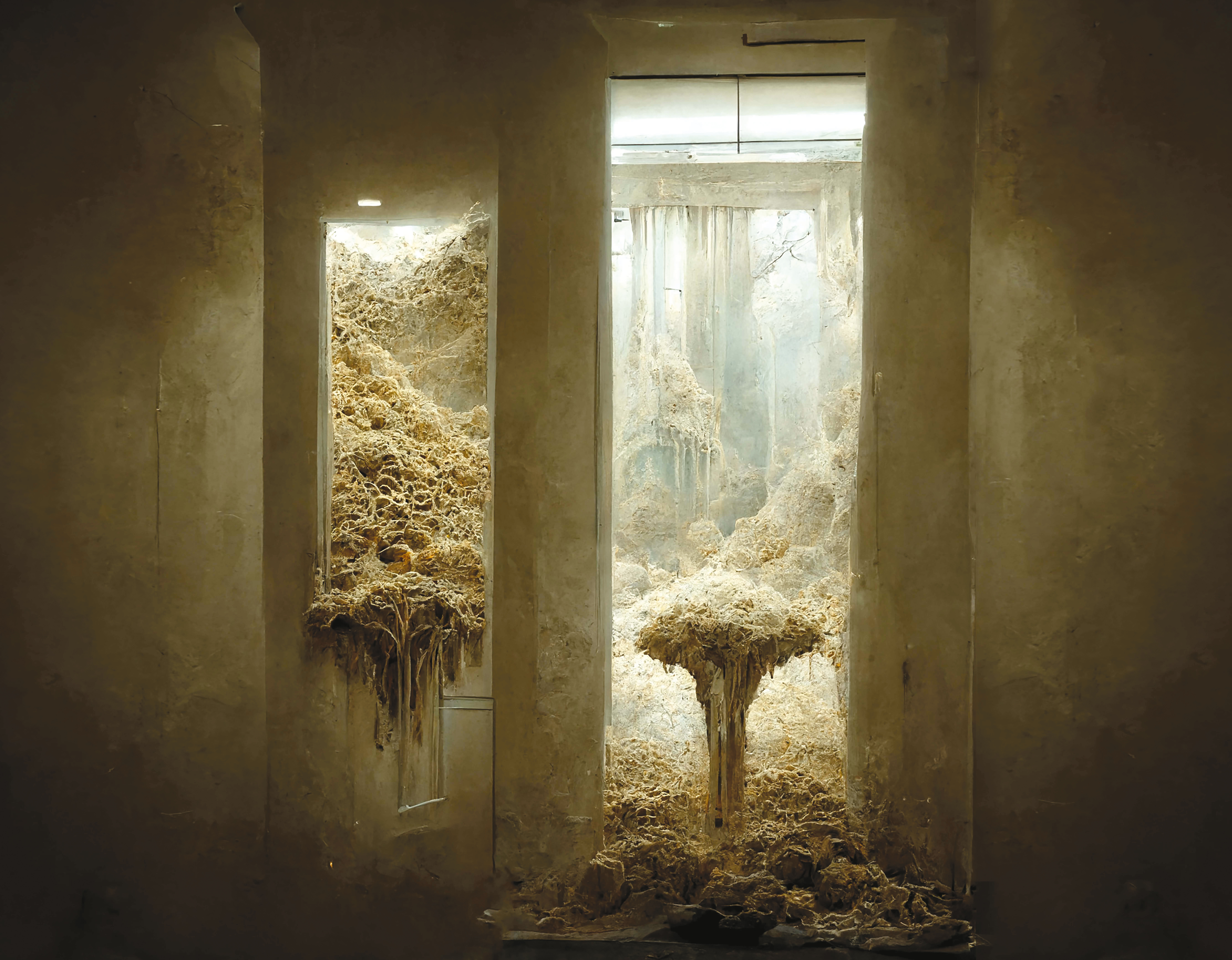
Decomposition affects organic matter, but also mineral and synthetic materials, transforming built infrastructure into ruins. Metaphorically, we associate these phenomena with the crumbling of political and economic structures or the destruction of our civilization. But decomposition also promises rebirth. How, in a collapsing world, can we imagine this rebirth? This issue proposes to sidestep disgust in order to perceive the beauty in rotting matter and discover other ways of envisioning our decline. It's about sifting through our debris to extract the substances that will allow us to nourish art and reflect on the world to come.
Cover: Neal Auch
Vanitas with Lemon, Vegetables, and Bones, from the series The Boundary, 2020.
Photo: courtesy of the artist


Spring Summer 2026
While “handi” (short for the term “handicapé” in French) and “crip” (derived from “cripple,” meaning “disabled”) are diminutive forms of stigmatizing terms, the meaning we ascribe to them is by no means reductive. On the contrary, they carry a political weight that provides those who embrace them with a powerful tool for empowerment, offering disabled artists non-normative ways for articulating the strange temporalities of disabled experience and alternative ways for navigating an ableist art world. In this issue, we are interested precisely in this work of social, political, and cultural transformation, and we focus on the ways in which crip authors and artists address the different challenges they face.
Cover: Hac Vinent
Accident, exhibition view, Fundació Joan Miró, Barcelona, 2024.
Photo: Roberto Ruiz, courtesy of the artist & ADN Galeria, Barcelona


